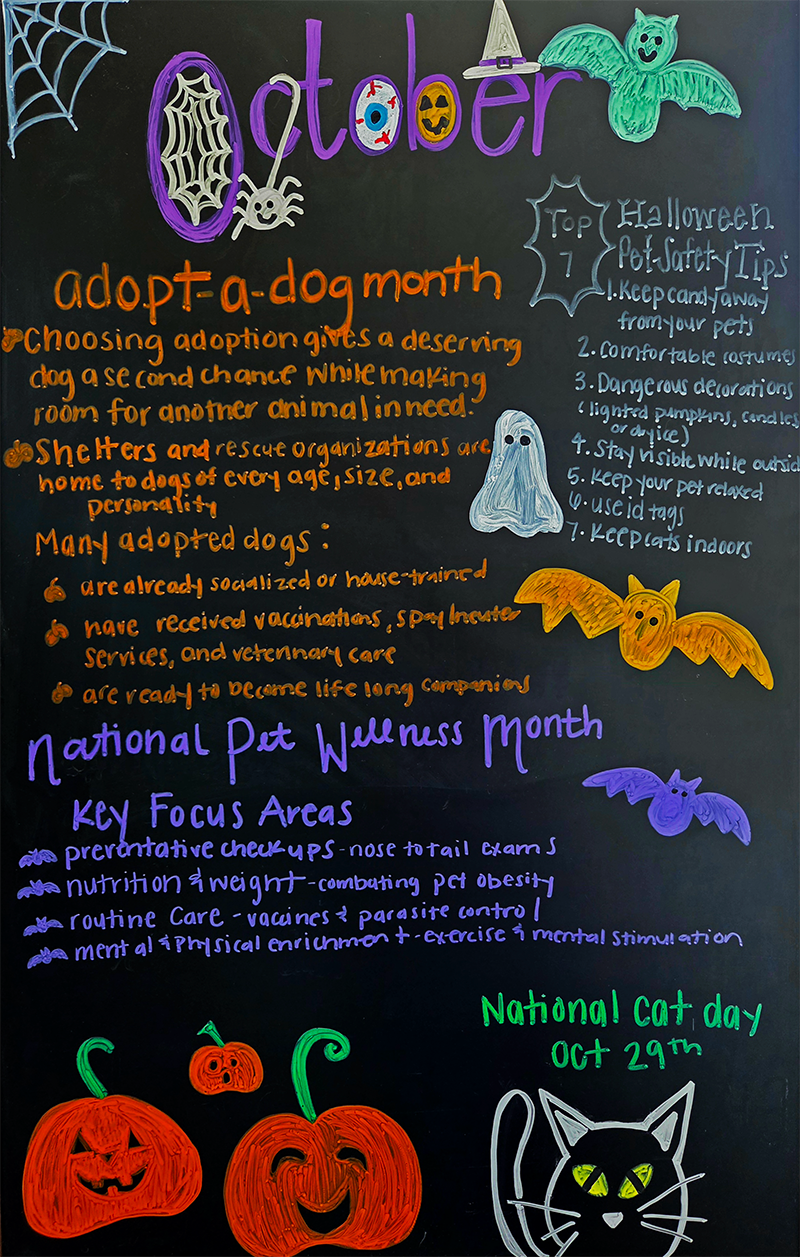
Pets don’t want a spooky season (even if some do enjoy the attention they get from wearing costumes). Here’s how to promote safety for your pet during Halloween:
Keep candy away from your pets
Choose comfortable costumes
Be careful about dangerous decorations, like lighted pumpkins, candles and dry ice
Stay visible while outside, with light clothing, reflective tape and/or flashlights
Keep your pet relaxed, perhaps in their own room away from the Halloween celebrations
Use ID tags and microchipping
Keep cats indoors and know they might try to escape while giving out treats to trick-or-treaters
National Pet Wellness Month
Key focus areas for pet wellness include:
Preventative check-ups: nose-to-tail exams
Nutrition and weight: combating pet obesity
Routine care: Vaccines and parasite control
Mental and physical enrichment: Exercise and mental stimulation
Adopt-A-Dog-Month
Choosing adoption gives a deserving dog a second chance while making room in the shelter for another animal in need.
Shelters and rescue organizations are home to dogs of every age, size and personality.
Many adopted dogs:
Are already socialized and house-trained
Have received vaccinations, spay/neuter services and veterinary care
Celebrating ASPCA’s Adopt-a-Shelter-Dog Month in October
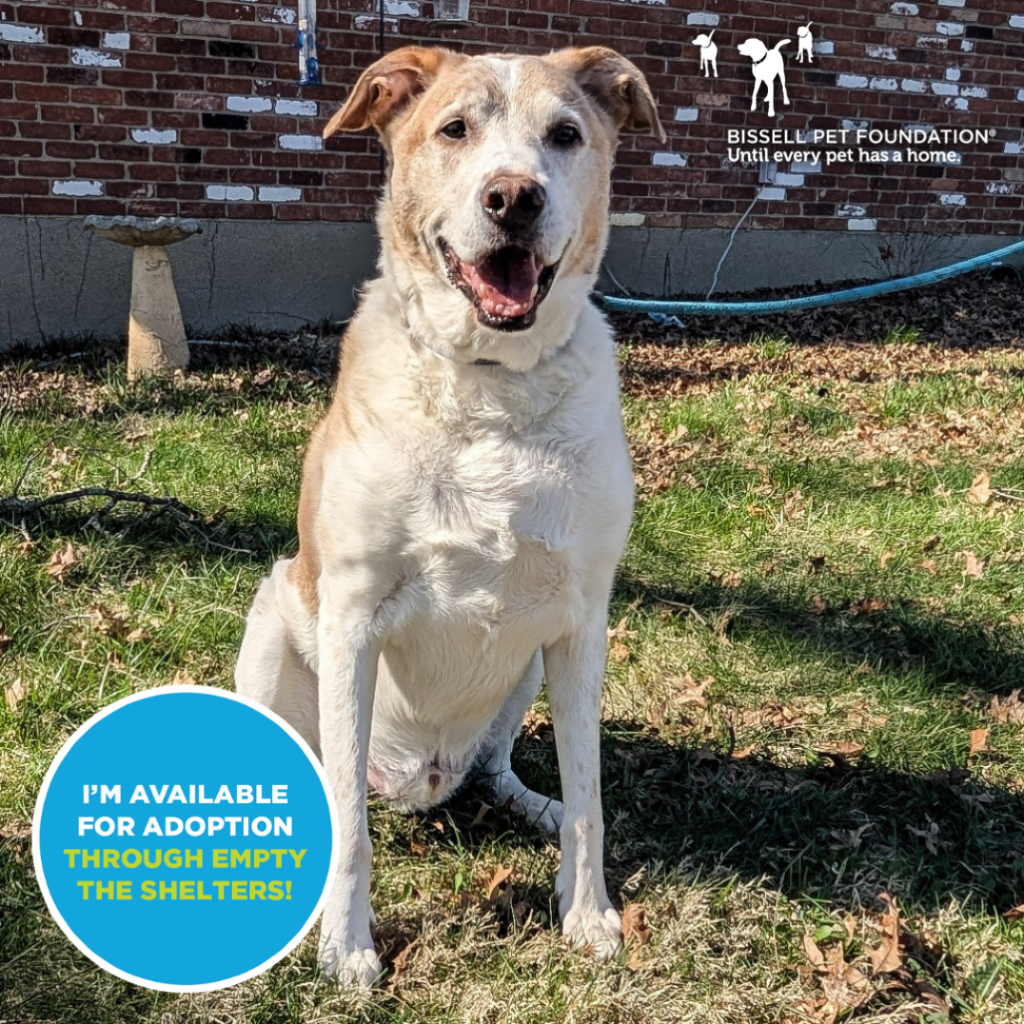
We’re featuring puppies and dogs for adoption from the Animal Friends Humane Society. Take a look at these sweet pups to see if any speak to your heart!
If adoption isn’t in your near future, you can still help. Consider purchasing their 2027 Animal Friends Calendar, which features adopted cats and dogs from the shelter. And if you’ve adopted from Animal Friends Humane Society, you can submit your pet’s photo for a $5 donation.
Dogs for Adoption from Animal Friends Humane Society
Here are just five of the adult dogs available for adoption from Animal Friends.
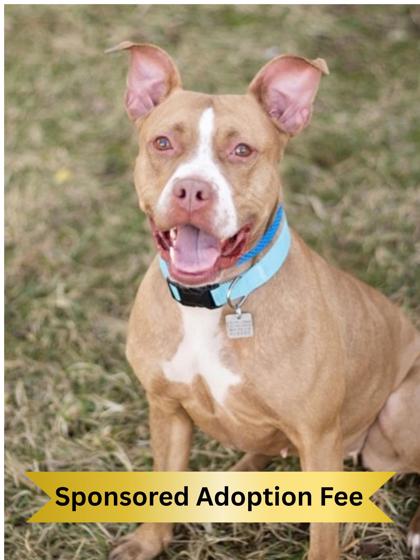
Ace
This big, beautiful boy is about two years old. He’s good on the leash and knows some commands like “sit.” He loves his treats, so could use an active family who will help him maintain a healthy weight.
Maple is a medium-sized female who is about eight years old. She’s high-energy but does well on a leash. She prefers not to be around small children, but she is friendly with dogs.
This large beauty will steal your heart with her gorgeous eyes. She is a sweet people-lover who also loves strangers. She is also friendly with children and cats, and enjoys a quiet lifestyle.
Puppies for Adoption from Animal Friends Humane Society
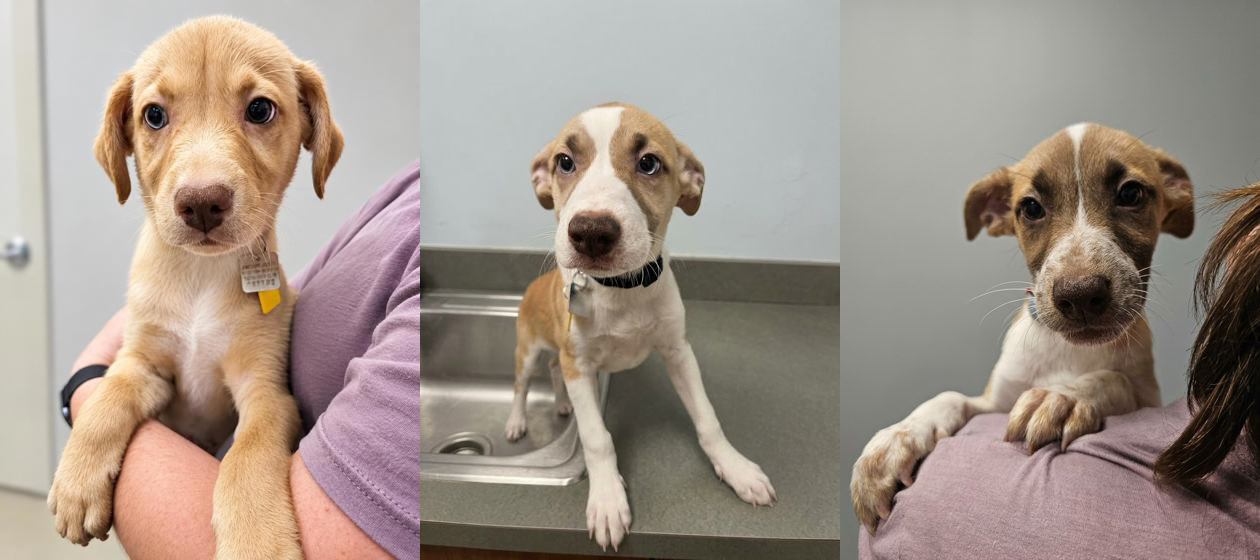
Eeny, Meeny, Miny and Moe are littermates that came to the shelter on October 5. There are three females and one male. These Weimaraner/Mix puppies are about three months old, and are so beautiful! Just take a look:
These three puppies all look different, but they are littermates (with spicy names!). Margarita, Queso and Sangria are also about three months old, and they came to Animal Friends on October 2. It’s estimated they will grow into large dogs, over 44 pounds when fully grown. And here they are:
For more information on adopting from Animal Friends Humane Society, visit their website. There, you’ll find their adoption policies and shelter hours.
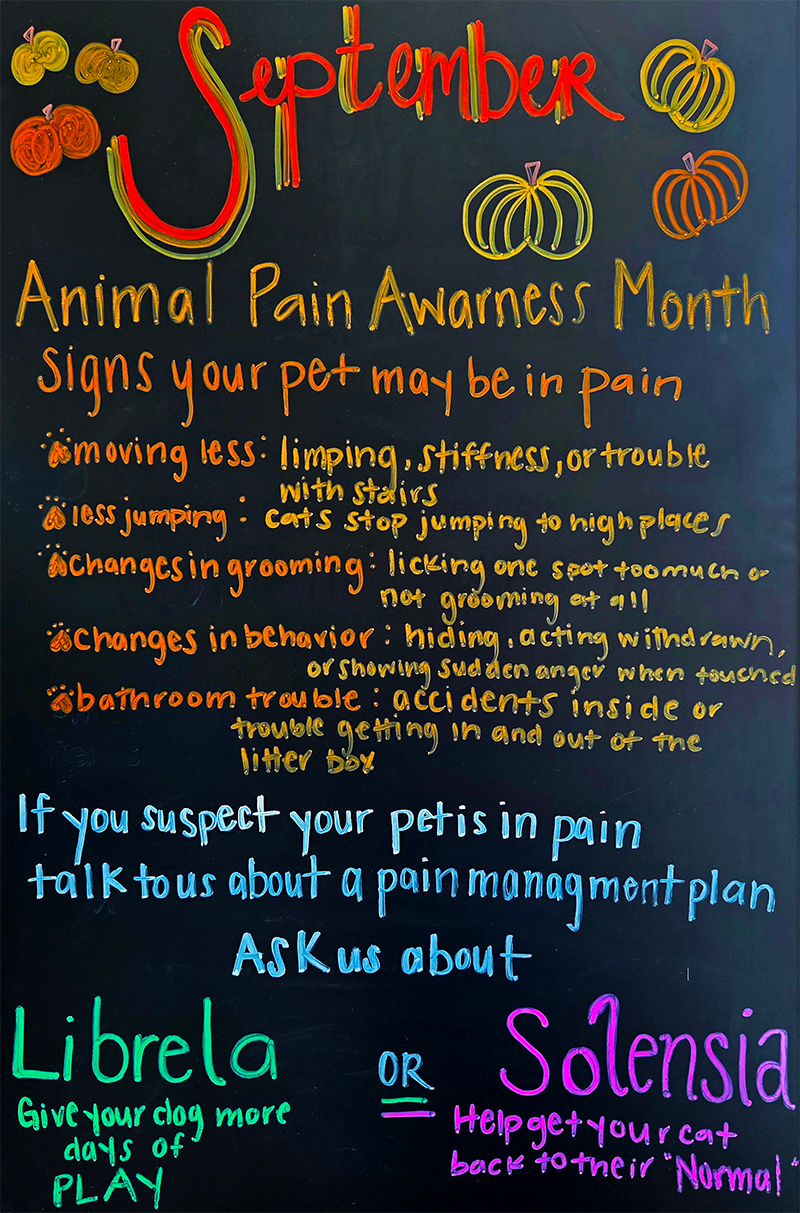
Moving less: Limping, stiffness or trouble with stairs
Jumping less: Cats stop jumping to high places
Changes in grooming: Licking one spot too much or not grooming at all
Changes in behavior: Hiding, acting withdrawn or showing sudden anger when touched
Bathroom trouble: Accidents inside or trouble getting in and out of the litter box
If you suspect your pet is in pain, talk to us about a pain management plan. If your pet is suffering from osteoarthritis, these medications may be able to help:
Librela: Give your dog more days of play
Solensia: Help get your cat back to their “normal”
Contact us with any concerns you may have about your pet.
Get Caught Up on Important Vaccinations for Your Pet’s Long-Term Health
Vaccines help teach your pet’s immune system how to recognize and fight off certain disease-causing agents. They work by stimulating the immune system’s production of antibodies that identify and destroy these agents (before they can cause disease). Companion Care Animal Hospital recommends essential vaccines for our cats and dogs.
Recommended Vaccinations for Cats
Starting when kittens are six weeks of age, they should begin the vaccine schedule. These are standard vaccinations for cats:
Feline leukemia (FIV)
Feline viral rhinotracheitis
Feline Panleukopenia
Rabies
Feline Calicivirus
Chlamydia
In addition, your veterinarian may also recommend this vaccination for your cat:
Bordetella
Recommended Vaccinations for Dogs
Six-week-old puppies should start receiving their vaccines, as certain diseases affect puppies most seriously. These are standard vaccinations for dogs:
Canine distemper
Canine parvovirus
Infectious canine hepatitis
Rabies
Canine influenza (dog flu)
Canine Tracheobronchitis (canine cough)
Leptospirosis
In addition, your veterinarian may also recommend this vaccination for your dog:
Lyme disease
Some Health Benefits to Pet Vaccination
When enough pet’s are immunized, both pets and people benefit. For example, because rabies vaccination is so widespread, there are usually less than 10 human deaths reported in the US each year.
“Studies consistently find that vaccinated pets are strongly protected against illnesses like parvovirus, distemper and panleukopenia, among others. Early-life shots are particularly important because maternal antibodies wane. Staged vaccine schedules for puppies and kittens are specifically designed to cover this high-risk window.”
Serious diseases can be fatal to your pet. And while immunizations can carry risk, side effects in dogs are reported at 0.4% and 0.5% in cats. Temporary side effects can include tiredness, mild fever or swelling around the injection site.
You and your veterinarian know your pet best. Certain pet habits or lifestyles affect which vaccinations are recommended. Contact us with your questions and concerns, and increase your awareness of pet immunization. Let’s work together to help your pet live their healthiest, happiest life.
August is a Hot Time for Pet Adoptions and Shelter Donations
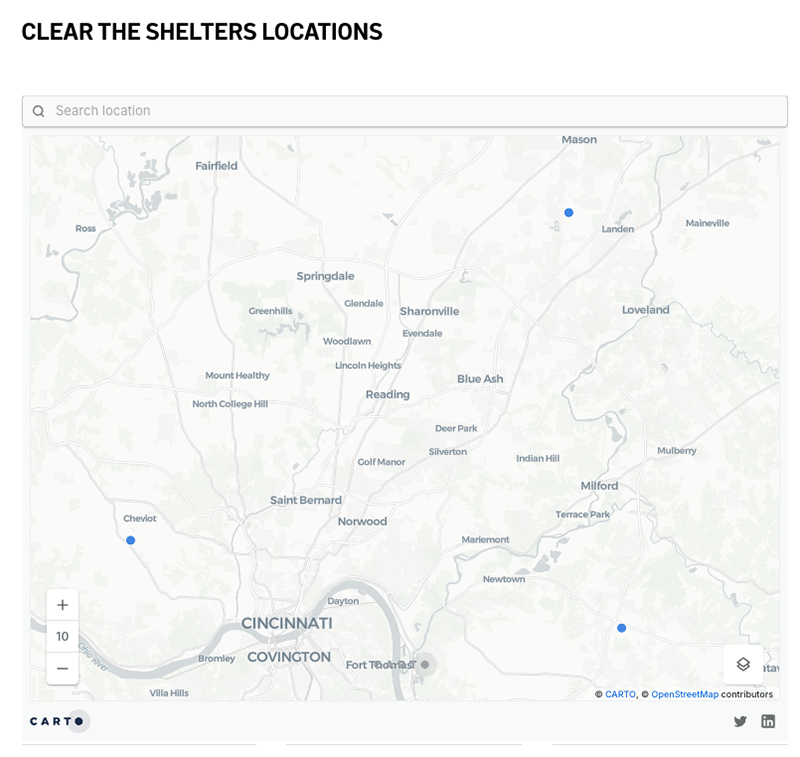
Clear the Shelters is an annual pet adoption campaign in its 12th year. Along with adoptions, it has raised more than $5.6 million in donations for shelters nationwide. In 2025, over 160,000 pets were adopted! Here’s more info:
“NBCUniversal Local is teaming up with hundreds of shelters across the country to host Clear The Shelters in August 2026, a nationwide pet adoption and donation campaign that helps find loving homes for animals in need. More than 1 million pets have found their forever homes since 2015.”
Cincinnati-Area Clear the Shelters Locations
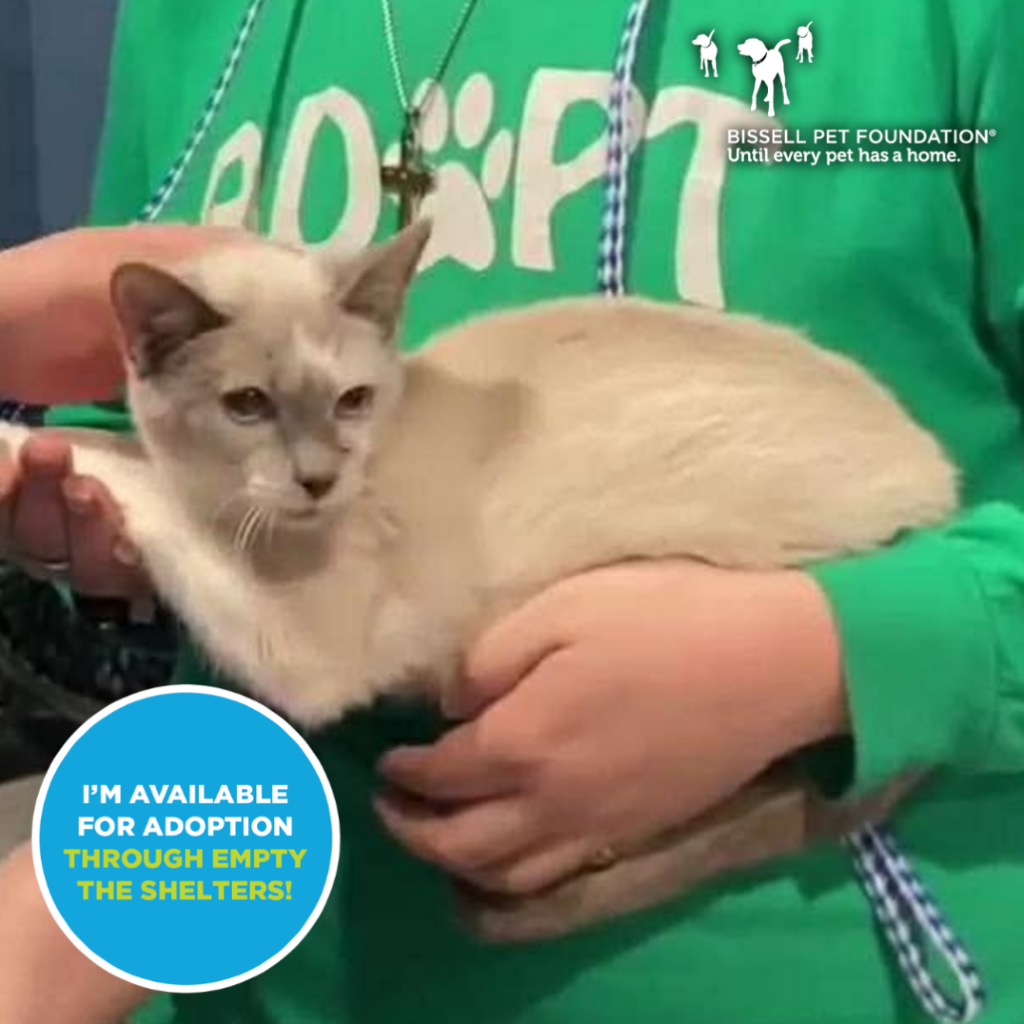
Louie’s Legacy is one of the largest foster-based rescues in the US, and it’s based right here in Cincinnati! Founded in 2009, Louie’s Legacy has saved the lives of tens of thousands of animals.
The rescue works with Clear the Shelters and has adoption events at these Cincinnati-area PetSmart locations:
Louie’s Legacy Animal Rescue – PetSmart- Western Hills, 6068 Glenway Avenue, Cincinnati, OH 45211, (908) 280-5024
“At 11 years old and 25 pounds, Dino is proof that age is just a number. This sweet, easygoing guy is looking for a family to spend his golden years with, and all he really wants is a comfortable spot to relax and people to love.”
“Danica is an 8-year-old, 30 lb beagle mix with big brown eyes who just loves kisses, scratches and cuddles and being close to her people. Her superpowers include being a fast and eager learner, loving all people everywhere, and getting along great with other dogs and her cat sister. She loves to just explore the outdoors and sniff around still.”
“Meet David Bowie, an 8.5-year-old, 100-lb Lab mix who is looking for his forever family. David Bowie is the definition of a gentleman. He’s currently living in a foster home with other dogs and mellow cats and has been doing well in that environment. However, he may truly thrive as the only pet in a home where he can soak up all the love and attention and be the center of his person’s world. Don’t let his age fool you! While DB is perfectly happy lounging around the house and soaking up the cozy life, he still gets excited for walks and enjoys getting outside.”
“This sweet girl is around 3 years old and weighs around 8 pounds. Though Sugar Mama is shy, she is also incredibly sweet. It will take her some time to settle into a new environment, but once she does she will show you her heart of gold! Fast movements startle her, so she would do best in a calmer household. Once she builds trust with you, she loves to chat with you and come to you for love and affection!”
“Wiggles is a 8-month-old short-haired kitten with a gentle, shy nature and a heart full of potential. He may be a little reserved when first meeting new people, but with patience and a calm environment, his sweet personality starts to shine through. Once he feels safe, Wiggles enjoys quiet playtime, soft pets, and cozy spots where he can relax and observe the world around him. He’s the kind of kitten who forms deep bonds with his people, offering soft purrs and quiet companionship.”
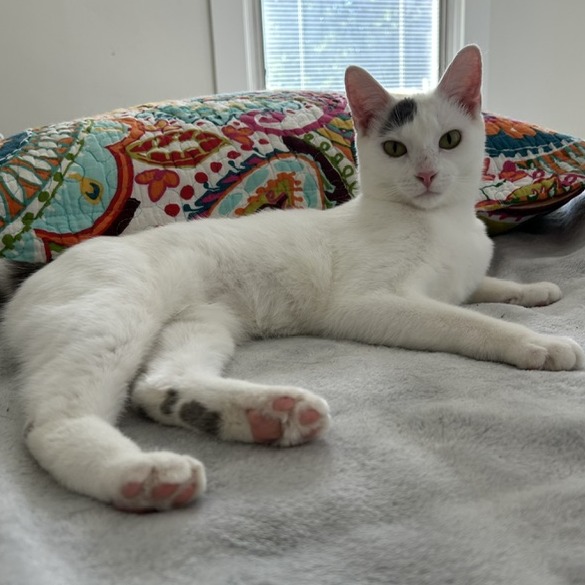
“Wren is a 9-month-old short-haired sweetheart with a curious spirit and a gentle soul. She’s the perfect mix of playful and affectionate—always ready to chase a toy one minute and curl up beside you the next. With her bright eyes and soft coat, Wren has a quiet charm that wins people over quickly. She’s still young, so she loves exploring her surroundings and discovering new things, but she also appreciates a cozy spot for naps and some good chin scratches.”
We hope one of these lovely cats or dogs speaks to your heart. If adopting another pet isn’t right for your family right now, consider donating to Louie’s Legacy.
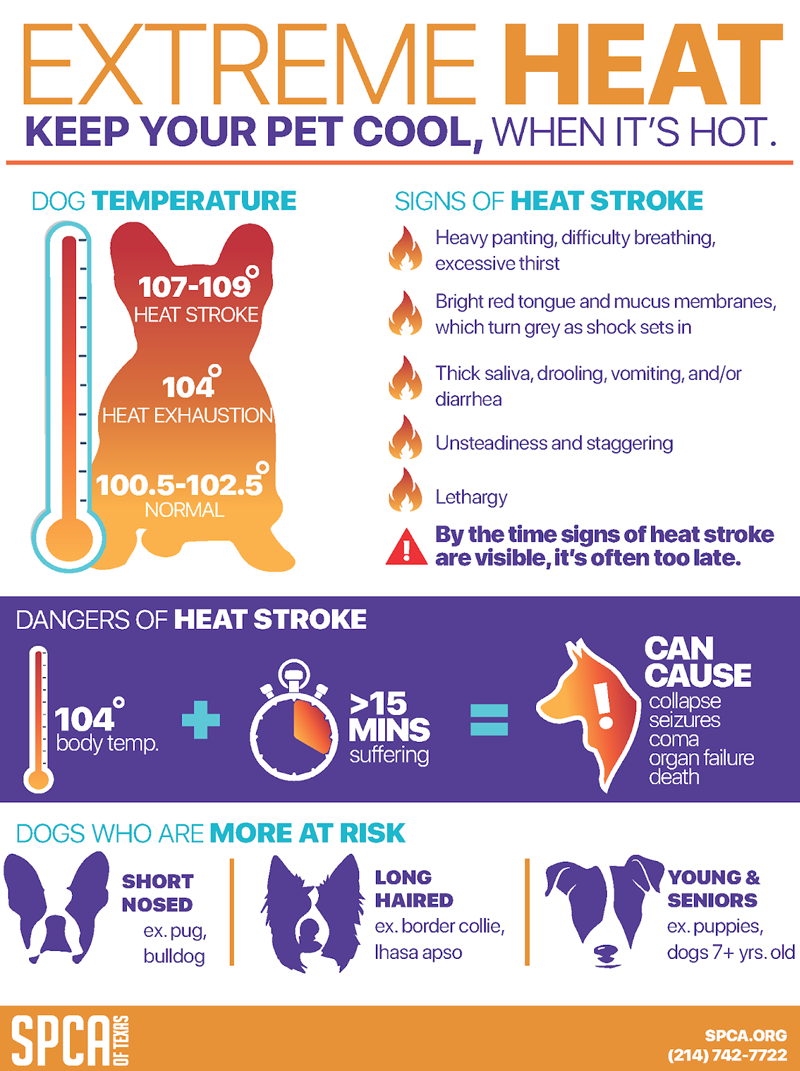
Summer in Cincinnati is reliably hot and humid, which can be dangerous for people and pets alike. We can take some advice from the SPCA of Texas, where hot weather is no surprise.
Heat exhaustion starts when your pet’s body temperature elevates to 104 degrees F. Heat stroke can rapidly follow.
What Are the Danger Signs of Heat Stroke?
Heavy panting, difficulty breathing, excessive thirst
Bright red tongue and mucous membranes, which turn grey as shock sets in
Thick saliva, drooling, vomiting and/or diarrhea
Unsteadiness and staggering
Lethargy
Which Pets Are Most Susceptible to Heat Exhaustion?
Dogs and cats with short noses and flat faces, such as pugs, bulldogs and Persian cats
Long-haired and thick-furred pets
Puppies and kittens
Seniors (most dogs over seven years old and cats over 10)
However, even if your pet doesn’t fall into the high-risk categories, heat exhaustion can come on rapidly and advance into heat stroke.
What About Cats & Heat Exhaustion?
The signs and risks of heat exhaustion in cats are very similar to dogs, so the above chart applies to both. Here’s what’s different for cats:
Cats don’t pant to release excess heat. They must rely on grooming themselves and finding shade
Since cats don’t pant, you’ll look for open-mouthed breathing as a sign of overheating
Flat-faced, brachycephalic cat breeds like Persians are more susceptible to heat exhaustion
We recommend keeping your cat indoors in an air-conditioned environment during very hot days.
What to Do if You Suspect Heat Stroke in Your Pet
Move your pet to a cooler environment right away. An air-conditioned room is best. If that’s not available, provide shade and a fan
Wet their body with cool water (not ice water)
Offer clean water
DON’T: immerse in ice water or wrap them in a wet towel
Call your veterinarian right away
How to Prevent Heat Stroke in Your Pet
The best advice for preventing heat stroke in your pet is to be mindful that summer temperatures can lead to dangerous situations quickly.
Keep your pet inside the air-conditioning during the heat of the day
Take walks in the early morning and late evening, keeping them shorter than usual
Dehydration can be a common problem for cats and dogs. Your pet needs about one ounce of water per pound of body weight each day. If your pet is particularly active or spends considerable time outside, they may need more water.
Here’s a helpful video about pet hydration, and how important water is for every single body function and your pet’s overall health.
How Do I Check for Dehydration in My Pet?
Gum test: Gently pull back your pet’s lip and feel their gums. If the gum is sticky or dry, your pet is dehydrated.
Skin test: Use your thumb and forefinger to create a “tent” of skin between your pet’s shoulders. If the skin snaps back quickly, your pet probably isn’t dehydrated. If it takes more than a moment to snap back, dehydration is likely.
Other symptoms of dehydration can include:
Loss of appetite
Loss of energy
Sunken eyes
Depression
Panting
Vomiting
What to Do if You Suspect Dehydration in Your Pet
If you think your pet might be dehydrated, do these two things right away:
Offer water immediately
Call your veterinarian
If dehydration is a common problem for your pet, your veterinarian may recommend you switch to wet food.
Celebrating America’s 250th Birthday with Our Pets
July 11 is All-American Pet Photo Day. Is your pet ready for a patriotic photo shoot? We’d love to see your pictures! Share them with us on Facebook,Instagram, or email us.
Get Inspired for Your Own Patriotic Pet Photos
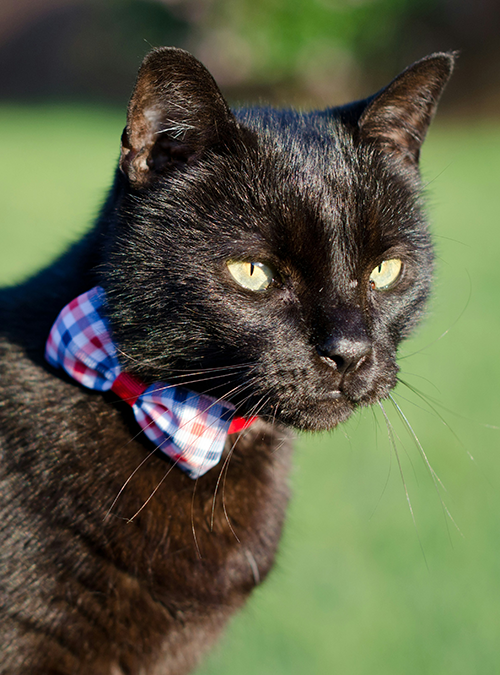
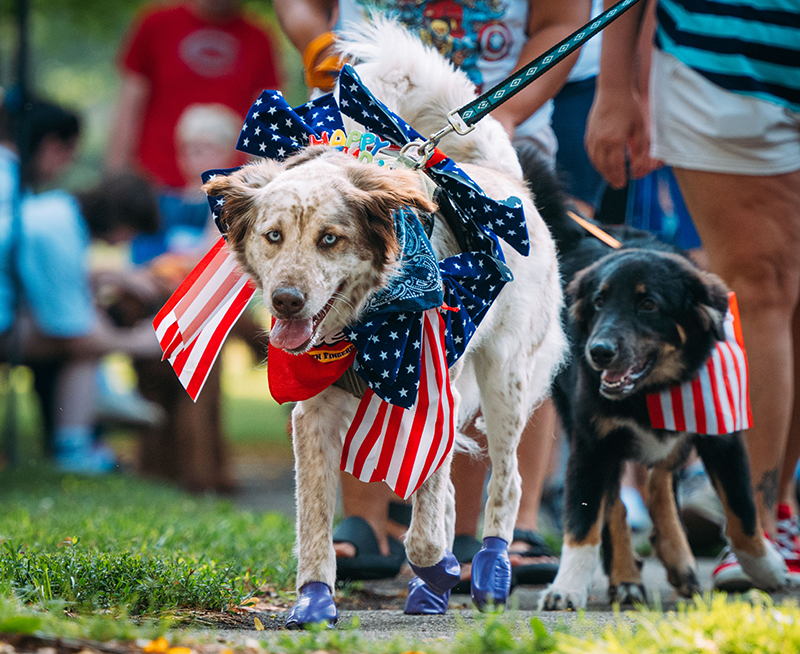
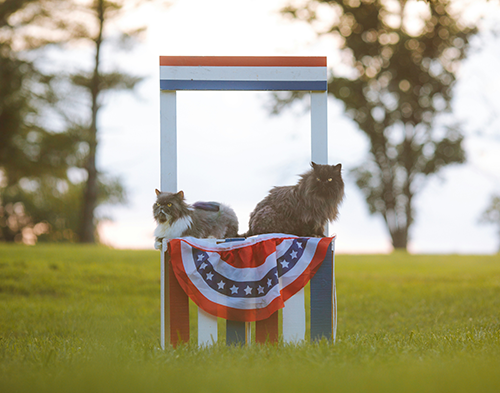
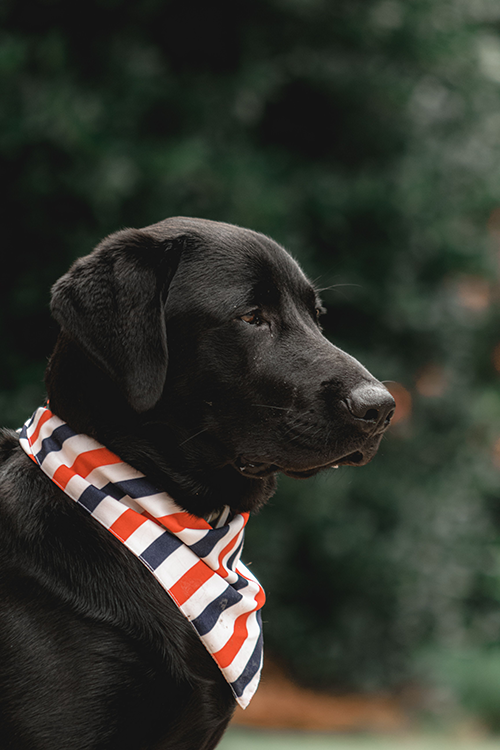
Check out these inspo shots for your cat or dog. From snazzy bow-ties to adorable bows to handsome bandanas, these pets are decked out!
Tips for a Safe Pet Photo Shoot
During your photo shoot, it can be hard to keep track of both posing your pet and being the photographer. Keep these safety tips in mind:
In the summer, you’ll obviously want to avoid dressing your pet in warm clothing like sweaters or jackets.
Don’t use dangerous props like sparklers, ribbon or tinsel.
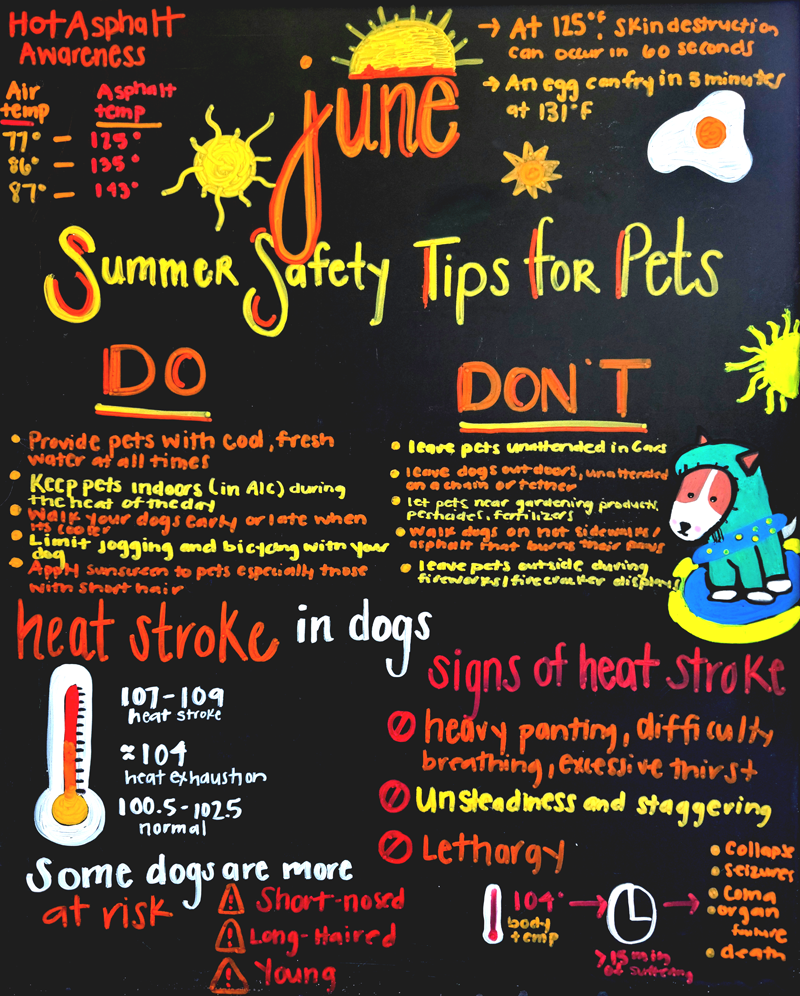
Summer is in full swing, and hotter days are ahead. Check out these important summer safety tips to keep your pets healthy this season.
Summer Safety Do’s
DO provide pets with cool, fresh water at all times (both outdoors and indoors)
DO keep pets indoors in the AC during the heat of the day
DO walk your dogs early in the morning or in the evening, when the temperatures are cooler
DO limit jogging or bicycling with your dog
DO apply sunscreen to your pets if you’re going to be in the sun, especially those with short hair.
Summer Safety Don’ts
DON’T leave pets unattended in cars
DON’T leave dogs outdoors, unattended on a chain or tether
DON’T let pets near gardening products, pesticides, fertilizers or tools
DON’T walk dogs on hot sidewalks or asphalt that burns their paws
DON’T leave pets outside during fireworks/firecracker displays
Hot Asphalt Awareness
It doesn’t take much sunny weather to make asphalt dangerously hot. When the air temperature is comfortable, it can still burn exposed paw pads.
Air Temperature
Asphalt Temperature
77 degrees F
125 degrees F
86 degrees F
135 degrees F
87 degrees F
143 degrees F
At 125 degrees F, skin destruction can occur in just 60 seconds. At 131 degrees F, an egg will fry in five minutes. During walks, keep your dog off asphalt (or protect their paws with booties).
Heat Stroke in Dogs
Heat stroke affects any human or animal. It’s when the body temperature dangerously overheats. Dogs are especially susceptible to heat stroke and need their humans to watch out for them.
Normal: 100.5 – 102.5 degrees F
Heat Exhaustion: greater than 104 degrees F
Heat Stroke: 107-109 degrees F
Early Signs of Heat Stroke
When a dog’s body temperature approaches 104 degrees F, they will show these symptoms:
Heavy panting
Difficulty breathing
Excessive thirst
Unsteadiness and staggering
Lethargy
Intense Symptoms of Heat Stroke
After 15 minutes or more of suffering heat stroke, a dog’s symptoms will become much more serious.